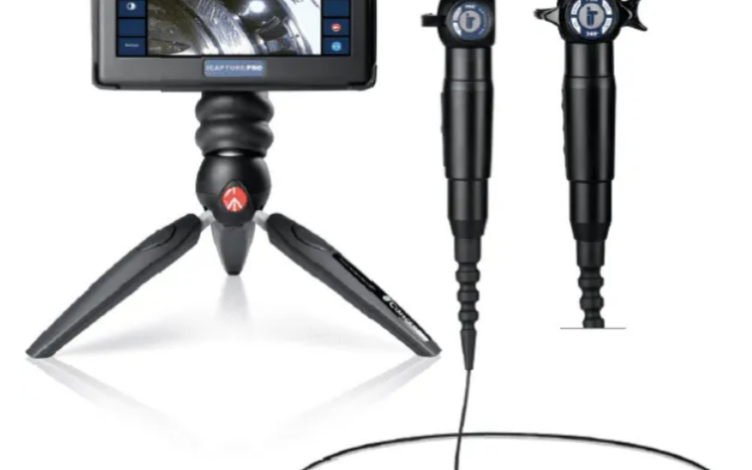
Aviation maintenance in 2026 is defined by two pressures that rarely ease up: keep aircraft available and keep inspections defensible. Fleet utilization remains high in many operations, while maintenance teams are expected to deliver consistent outcomes across shifts, locations, and mixed experience levels. In that environment, borescopes have moved from a specialist tool to a day-to-day necessity. They help technicians verify internal conditions quickly, reduce unnecessary disassembly, and capture visual evidence that supports faster decisions. Companies like USA Borescopes support this shift by providing inspection tools designed for aviation maintenance workflows, where image quality and repeatability matter as much as reach.
Industry Pressures Driving Wider Borescope Use
Borescope adoption is not just a technology story. It is a response to operational reality. Maintenance organizations are being pushed to do more with fewer interruptions, and internal inspections are one of the best places to gain time without compromising standards.
Faster turnaround expectations
Operators want aircraft back in service quickly. Scheduled inspections, troubleshooting events, and post-incident checks all compete for limited hangar time. Borescope inspections allow maintenance teams to look inside engines and other assemblies without committing to a teardown first. That speed helps the team make an early call: continue monitoring, plan a repair, or escalate to removal.
Cost control under constant scrutiny
The cost of unnecessary removals is hard to ignore. Labor hours, parts disturbed during disassembly, and extended downtime can turn a minor concern into a major expense. Borescopes help reduce that risk by allowing teams to confirm the condition before taking invasive steps. Over time, this supports a maintenance culture that is evidence-driven rather than assumption-driven.
Labor and experience gaps
Many organizations face a mix of experienced technicians and newer staff who are still building inspection confidence. A borescope cannot replace experience, but it can reduce ambiguity. Clear visuals and consistent documentation make it easier for teams to align on findings and train inspectors to recognize normal versus abnormal conditions.
Documentation demands and audit readiness
Maintenance records increasingly need visual support. When an inspector can attach clear images and short videos to a work order, engineering and quality reviewers can validate decisions more quickly. This also strengthens audit readiness because the record shows what was inspected and what was observed, not just that an inspection occurred.
Preventive Maintenance and Early Detection Are Now a Core Strategy
Borescopes are heavily used in 2026 because they support earlier detection of issues and better timing of maintenance actions. This is especially true for engines, where internal conditions can change quickly depending on the operating environment and duty cycle.
Catching defects before they become events
Many high-impact engine issues begin as small indicators. Examples include early thermal distress in hot section components, minor cracking, coating breakdown, oxidation, erosion, or signs of foreign object damage. Borescope inspections help teams identify these indicators early, when there is still time to plan a controlled response.
Supporting condition-based maintenance decisions
Condition-based maintenance relies on repeatable evidence. If a defect is within allowable limits, the next question is whether it is stable. Borescope images captured at consistent angles and with clear labeling allow the team to compare findings across inspection intervals. This supports monitor decisions that keep aircraft available while maintaining safety margins.
Reducing unnecessary disassembly
A common reason for removal is uncertainty. When a performance trend, vibration report, or unusual noise suggests a possible internal issue, teams often want confirmation quickly. Borescopes provide that confirmation without committing to a teardown first. Even when removal is required, an initial borescope inspection can improve planning by helping teams anticipate parts’ needs and the scope of work.
The Documentation and Review Process Has Matured
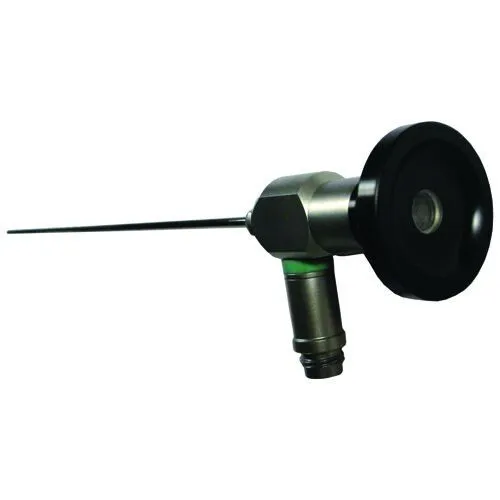
Borescope use has expanded partly because inspection results can now be shared and reviewed more efficiently. Maintenance decisions often involve multiple stakeholders, and visual evidence helps everyone move faster.
Clear evidence speeds up engineering decisions
When images are sharp and properly labeled by stage, location, and orientation, engineering teams can assess severity more quickly. This reduces delays caused by vague descriptions and reduces the need for repeated inspections.
Better continuity between shifts and sites
A borescope record creates continuity. If one shift observes an early indication, the next shift can review the image set and continue the inspection with confidence. If an aircraft moves between facilities, the receiving team can access the same evidence and avoid starting from scratch.
Stronger compliance posture
Visual documentation strengthens the maintenance record. It provides objective support for decisions, which can be helpful during audits, reliability reviews, and internal quality investigations. In 2026, the expectation is not just to inspect, but to demonstrate what was found and why the chosen action was appropriate.
Tool Improvements Have Made Borescopes More Practical
Borescopes in 2026 are more capable and more user-friendly than older systems. This has widened adoption because the tools now match the real needs of line maintenance and heavy checks.
Higher image quality in difficult environments
Hot section inspections can be challenging due to reflective surfaces, deposits, and limited space. Modern systems deliver sharper imagery and better lighting control, which improves defect recognition and reduces false positives.
More effective articulation and tip control
Reaching the right location is often the hardest part of the inspection. Improved articulation makes it easier to view blade edges, tips, platforms, cooling features, and transition areas from multiple angles. Better control also helps inspectors stabilize the view for documentation.
Measurement and reporting features that improve consistency
Many systems now support measurement functions and structured reporting workflows. These features help standardize how defects are described, which improves consistency across technicians and speeds up review processes.
Probe options that match real access constraints
Maintenance teams benefit from having probe diameters and lengths that match their typical engines and access ports. The right configuration reduces the risk of incomplete inspections and makes it easier to reach critical stages without excessive maneuvering.
Durability and reliability that fit daily use
Aviation inspections can expose probes to abrasion, sharp edges, and frequent handling. Strong build quality and dependable connectors reduce tool downtime and help keep image performance consistent.
Teams comparing current inspection configurations often review product options and specifications in one place. The USA Borescopes product range can be a helpful reference for understanding typical feature sets, probe configurations, and inspection accessories used across aviation environments.
Borescope Use Has Expanded Beyond Engines
While engine inspections remain the most common application, maintenance teams use borescopes in many other systems where internal visibility is limited.
Gearboxes and power transmission components
In both rotary and fixed-wing operations, gearboxes and related housings can benefit from internal visual checks. Inspectors may look for gear tooth wear patterns, pitting, scoring, heat discoloration, and debris accumulation. A borescope can provide an early indicator that supports planned intervention rather than reactive maintenance.
Structural cavities and confined areas
Corrosion, cracking, and fluid tracking often occur in locations that are difficult to inspect directly. Borescopes allow technicians to view inside cavities, behind panels, and within tight structural zones without extensive disassembly. This improves coverage and supports stronger documentation for corrosion control programs.
Post-repair verification
After a repair or component replacement, a borescope can confirm that the area is clean, correctly seated, and free of visible issues. This reduces the risk of rework and strengthens the maintenance record.
Training and Standardization Are Driving Adoption
Borescopes help maintenance organizations standardize inspection outcomes, which is valuable in a high-variation environment.
Checklists and scan patterns improve coverage
Many teams use structured scan patterns that ensure consistent coverage by stage and by component feature. This reduces missed areas and makes results more comparable across inspections.
Baseline image libraries accelerate learning
Capturing reference images when no defects are present builds a baseline library. Newer technicians can compare what they see to known normal conditions, which improves confidence and reduces interpretation errors.
Remote support is easier with visual evidence
When a technician can share clear images with a specialist, it becomes easier to validate a finding and decide the next step. This improves consistency across the organization, especially when expertise is distributed across multiple locations.
Borescopes Are Now a Standard Maintenance Advantage
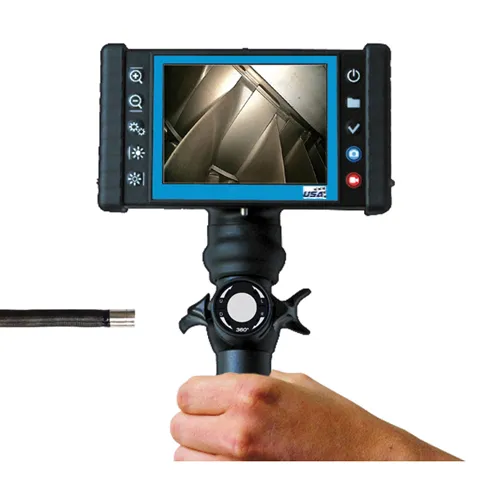
Aviation maintenance teams are relying more on borescopes in 2026 because they solve real problems. They shorten decision time, reduce unnecessary disassembly, support earlier defect detection, and strengthen documentation. As maintenance programs move toward condition-based decisions and higher audit readiness, internal visual evidence has become essential.
As inspection programs expand or evolve, equipment must align with both aircraft platforms and documentation expectations. USA Borescopes supports maintenance teams with aviation-focused inspection solutions designed for repeatable inspections and dependable image capture. Contact USA Borescopes to discuss the right approach.
About the Author
The author is an aviation inspection specialist with extensive experience supporting remote visual inspection programs across line maintenance and shop environments. They focus on practical inspection techniques, defect recognition, and documentation practices that improve repeatability. Their work helps maintenance teams reduce uncertainty, strengthen compliance, and make clearer maintenance decisions.