Inspect Verified Caller Profiles for 3509247210, 3491377702, 3333585238, 3889038730, 3899663129

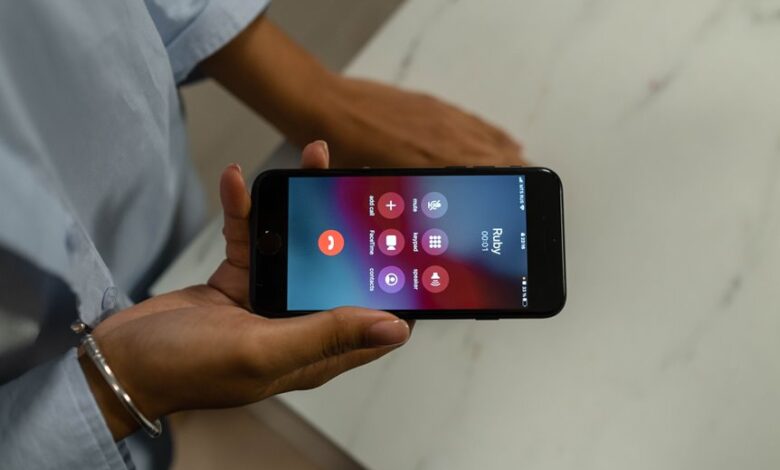
The discussion centers on inspecting verified caller profiles for 3509247210, 3491377702, 3333585238, 3889038730, and 3899663129 using a structured verification framework. It weighs cross-platform signals, contextual metadata, and behavioral indicators to distinguish authenticity from spoofing. Evidence is weighed across networks with emphasis on multi-source corroboration and ongoing monitoring. The goal is to identify risk patterns and ensure prompt detection of impersonation, while considering user consent and auditability as essential components. This approach prompts further scrutiny of the underlying signals.
What Verification on Caller Profiles Actually Means
Verification on caller profiles represents the process by which an organization confirms the authenticity and reliability of a caller’s identity and claimed attributes. The analysis emphasizes verification meaning as a structured assurance framework, where evidence accumulates from documented sources, behavioral signals, and corroborating data. Profile verification thus stands as a documented standard, guiding risk assessment while preserving user autonomy and informed consent.
How to Spot Genuine vs. Spoofed Verified Profiles
Exceptional scrutiny is required to distinguish genuine from spoofed verified profiles, as attackers increasingly mimic verified signals while defenders rely on corroborated, multi-source evidence. The analysis centers on authenticity indicators and contextual metadata, not surface features alone.
Vigilance highlights spoofing pitfalls, such as inconsistent activity timelines, anomalous contact patterns, and mismatched cross-platform signals, guiding investigators toward robust verification practices and cautious trust.
Step-By-Step Checks Across Popular Platforms
Across popular platforms, methodical checks constitute the core of reliable verification, combining platform-specific signals with cross-network corroboration to assess authenticity. The process emphasizes verifying identities through consistent profile indicators, activity patterns, and contact history. By comparing signals across networks, investigators can detect potential impersonation and red flags, ensuring conclusions are evidence-based, precise, and resistant to surface-level deception.
Practical Tips to Protect Yourself After Verification
Practical tips after verification emphasize establishing durable safeguards and monitoring for anomalous activity, rather than assuming permanence of trust. The analysis recommends ongoing authentication checks, restricted data sharing, and periodic audits of contact sources. Verification tips emphasize alerting mechanisms and role-based access. Profile verification does not guarantee safety; continuous verification culture reduces risk, supports proactive defense, and reinforces user autonomy.
Conclusion
Verification across caller profiles hinges on cross-platform corroboration, contextual metadata, and behavioral indicators rather than surface features. By comparing signals from multiple networks, auditing authentication footprints, and monitoring for spoofing indicators, one can assess consistency and authenticity with an evidence-based lens. Ongoing monitoring and periodic source audits are essential to sustain trust and promptly detect impersonation. In the analyst’s hands, vigilance bears fruit: a cautionary proverb—“trust, but verify.”