Imagine a world where traffic jams are a thing of the past, and everyone’s zipping around with minimal fuss. Sounds like a dream? Well, it’s inching closer to reality with smarter surveillance systems in play. These high-tech eyes in the sky (or on the ground) do much more than just watch; they analyze, predict, and even help manage traffic in real-time.
Think about it: cameras that don’t just record but actually “understand” what’s happening on the roads. They can spot an accident, notify emergency services, and even redirect traffic to avoid further chaos. And they do all this in the blink of an eye, way faster than any human could manage. It’s like having a super-efficient traffic cop who never takes a break or gets distracted by a coffee run.
But it doesn’t stop at just managing accidents. These systems can also monitor traffic flow and adjust traffic signals dynamically to keep things moving smoothly. Ever been stuck at a red light with no cars in sight for miles? Frustrating, right? With adaptive signal control, those days might just be behind us. The system tweaks the signals based on real-time data, ensuring that traffic keeps flowing and those unnecessary stops are minimized.
Ai-powered traffic management
Now, let’s talk about AI—no longer just a sci-fi concept but something that’s already making waves in traffic management. Picture this: algorithms crunching numbers, analyzing patterns, and predicting congested spots before they even form. Sounds like magic? It’s all thanks to artificial intelligence.
These AI systems are like the brain behind the surveillance eyes. They sift through mountains of data—think vehicle counts, speed, weather conditions, you name it—and make sense of it all. They predict where bottlenecks might happen and suggest routes to avoid them. It’s almost like having a crystal ball for traffic.
And it’s not just about avoiding jams. AI can help with everything from reducing emissions by optimizing traffic flow to improving road safety. By analyzing accident data, these systems can identify dangerous spots and suggest improvements. Maybe it’s better signage, maybe it’s tweaking the road layout—whatever it takes to make our roads safer.
Advanced driver assistance systems
Lane keeping and autonomous braking
Ever drifted out of your lane because you were fiddling with the radio or lost in thought? Advanced driver assistance systems (ADAS) are here to save the day—or at least your bumper. These systems are like having a co-pilot who’s always alert and ready to step in when needed.
Take lane-keeping assistance, for example. It uses cameras to monitor lane markings and gently nudges your car back into place if you start to drift. It’s subtle, almost like a gentle reminder rather than an invasive correction. And then there’s autonomous braking—an absolute lifesaver (literally). If a car suddenly stops in front of you or a pedestrian steps into your path, these systems can apply the brakes faster than you could react.
It’s not about replacing the driver but enhancing their capabilities. These features make driving not just easier but significantly safer. They’re like an invisible safety net, catching potential mishaps before they turn into real problems.
Enhancing passenger security through biometric scanners
In today’s world, security is paramount, especially when it comes to transportation. Biometric scanners are becoming more common in enhancing passenger security. These aren’t just cool gadgets from spy movies—they’re practical tools, much like an explosive detection system, making travel safer for everyone.
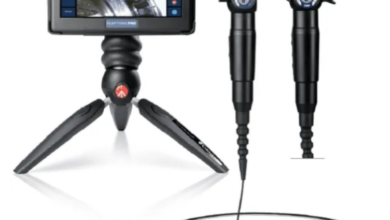
From facial recognition at airports to fingerprint scanners in cars, these technologies, along with vehicle inspection equipment, verify identities quickly and accurately. No more fumbling for ID cards or tickets; a quick scan and you’re good to go. It’s efficient and adds an extra layer of security that traditional methods can’t match.
Beyond convenience, biometric scanners can also prevent unauthorized access. Imagine your car only starting if it recognizes your fingerprint or face. It’s not foolproof, but it’s a significant deterrent against theft and unauthorized use. It’s peace of mind knowing that your vehicle is secure even when you’re not around.
See also: Mobile Car Battery Replacement in Las Vegas: When It Makes Sense
Cybersecurity in modern vehicles
As cars get smarter, they also become more vulnerable to cyber threats. It’s the flip side of all this amazing tech we’ve been talking about. Modern vehicles are essentially computers on wheels, and like any computer, they can be hacked.
Cybersecurity in vehicles is no longer optional; it’s essential. Manufacturers are investing heavily in protecting these systems from malicious attacks. From secure communication protocols to robust encryption methods, every possible measure is being taken to safeguard these smart vehicles.
But it’s not just up to the manufacturers; drivers also need to be aware of these threats. Regular updates and patches for your car’s software are as crucial as updating your smartphone or computer. Staying informed and vigilant is key because as our cars get smarter, so do the hackers looking to exploit them.