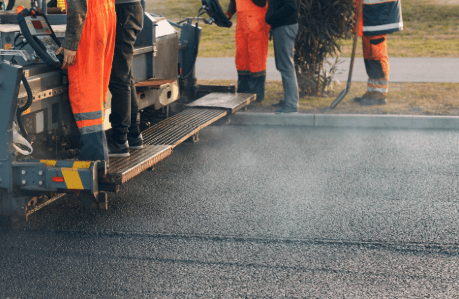
In the rapidly expanding residential estates of South East Queensland, the road network is more than just a functional necessity; it is the first impression a potential buyer has of a new community. However, Brisbane presents a unique set of engineering challenges. From the sweltering humidity of mid-summer to the sudden, intense “east coast low” rainfall events, the local environment is notoriously harsh on infrastructure. To ensure long-term viability and keep downward pressure on maintenance levies, developers are increasingly turning to climate-smart asphalt paving. This approach ensures that the streets serving new estates are resilient enough to handle both the subtropical climate and the heavy vehicle movements associated with ongoing construction.
The heat factor: Preventing rutting and flushing
Brisbane’s summer temperatures regularly soar, and asphalt—being a dark, heat-absorbent material—can reach surface temperatures significantly higher than the ambient air. Under these conditions, standard bitumen can soften. When heavy delivery trucks or construction machinery move over this softened surface, it leads to “rutting” (permanent depressions in the wheel paths) or “flushing” (where the binder rises to the surface, creating a slick, dangerous film).
Polymer-modified binders (PMBs)
The answer is in the chemistry of the mix. The new generation of climate-smart paving technologies features polymer-modified binders. By incorporating elastic polymers into bitumen, engineers create a “stiffer” pavement that can maintain its structural integrity at higher temperatures. The elastic effect also enables the road to flex under heavy loads and then return to its initial position, rather than deforming.
High-reflective aggregates
While the binder holds everything together, the choice of stone or “aggregate” is equally vital. Using lighter-coloured or more reflective aggregates can slightly lower the road’s surface temperature. This not only protects the pavement itself but also helps mitigate the “urban heat island effect,” making the residential streets noticeably cooler for residents walking their dogs or kids playing outside.
Managing the deluge: Resilience against intense rainfall
When water penetrates the surface of a poorly constructed road, it weakens the base layers, leading to rapid pothole formation and “alligator cracking.”
Improved moisture resistance: Climate-smart paving prioritises “stripping resistance.” This involves treating the aggregate so that the bitumen bonds more tightly to the stone, even in the presence of water. By ensuring a water-tight seal, we prevent moisture from seeping into the sub-base, which is the primary cause of catastrophic road failure during the wet season.
Drainage integration and road profiling: Surface durability is only half the battle; the water must have somewhere to go. This is where road profiling in Brisbane adds the most value during the construction phase. Precise profiling ensures the road has the exact “cross-fall” or camber required to shed water into the curb and channel instantly.
- Preventing hydroplaning: Proper profiling ensures water doesn’t pool in the road’s centre, increasing safety for residents during storms.
- Protecting verges: Controlled runoff prevents erosion of landscaped nature strips and sales office entryways, preserving the estate’s aesthetic appeal.
Handling heavy use in growing estates
New residential developments face a “double whammy” of traffic. First comes the heavy machinery, concrete agitators, brick trucks, and earthmovers. Once the residents move in, the traffic becomes high-frequency, with thousands of car movements daily.
Dense-graded vs. open-graded asphalt
For the main thoroughfares of a new estate, a Dense-Graded Asphalt (DGA) is usually the preferred climate-smart choice. It is packed tightly with a variety of stone sizes, leaving very few air voids. This density provides the sheer strength needed to support heavy construction traffic without cracking.
For quieter residential cul-de-sacs where noise reduction and water drainage are higher priorities, different mix designs can be used to provide a smoother, quieter ride that enhances the neighbourhood’s “premium” feel.
See also: Why Incheon Business Trip Massage Is Popular Among International Travelers
The economic argument for durable paving
Developers often find themselves drawn to the most affordable paving choices. Looking at the bigger picture, climate-smart paving consistently proves to be the most cost-effective option with benefits like:
- Less patching and repairs: Premium PMB mixes make a massive difference in how long it takes for the first cracks to appear. This means it remains in good condition for much longer.
- Successful asset handover: Many developers hand their roads back to the local council. A road built using climate-smart techniques will be far more likely to meet council inspections and avoid expensive remedial work.
- Safety and liability: Improved skid resistance and a lower pothole count will make your streets safer and reduce the risk of accidents within the estate.
By moving toward climate-smart asphalt paving, developers are doing more than just surfacing a road; they are installing a resilient piece of infrastructure designed to thrive amid Queensland’s volatility. Additionally, focusing on advanced binders, precision profiling, and moisture-resistant aggregates, we can ensure that the streets of our newest communities remain safe, functional, and visually appealing for decades to come—regardless of what the weather decides to do.